Understanding Terrain-Based Mission Analysis and Terrain Fidelity with Ansys STK
When engineers think about mission analysis, attention naturally goes to the vehicle, trajectory, sensor, communications system, or target.
Read Article →
The Aviator module in Ansys STK lets engineers simulate and analyze aircraft motion under real-world physical, environmental and operational constraints — from UAV patrol routes to commercial flight paths and defence operations.
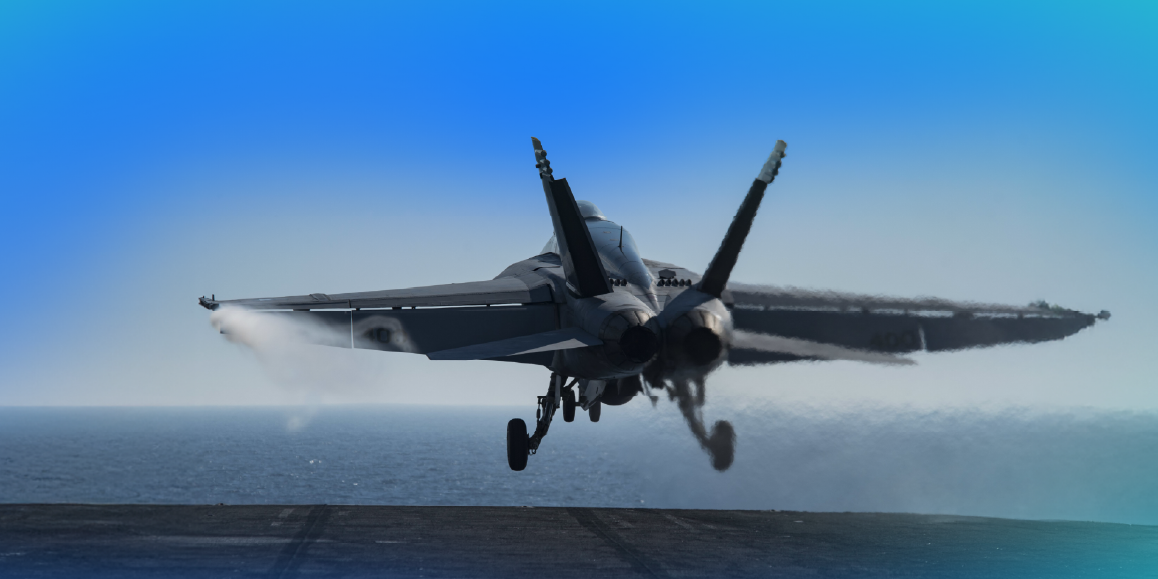
Understanding aircraft performance throughout various phases of flight is a critical component of modern aerospace analysis. A high-fidelity simulation environment is essential for assessing UAV patrol routes, optimizing commercial flight paths, or planning defence operations. The Aviator module in AGI's Systems Tool Kit (STK) provides that environment. It allows engineers to simulate and analyze aircraft motion under real-world physical, environmental, and operational constraints.
This blog offers a deep dive into the Ansys STK Aviator module—its core capabilities, workflow, and real-world applications—for anyone involved in mission simulation, flight planning, or research.
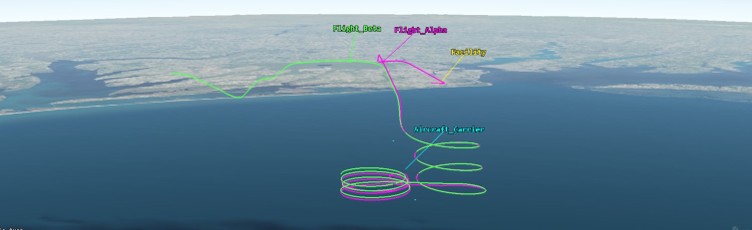
STK Aviator is a dynamic aircraft simulation engine within STK, designed to model complete flight trajectories using physics-based calculations. It enables the definition and analysis of realistic aircraft missions by combining:
Users can create missions with fine control over each flight phase, including takeoff, climb, cruise, descent, and landing. Each segment is parameterized by real aircraft limits such as thrust, drag, climb rate, bank angle, etc.
The flight path is divided into individual procedure segments:
These can be linked to model entire missions from runway to runway.
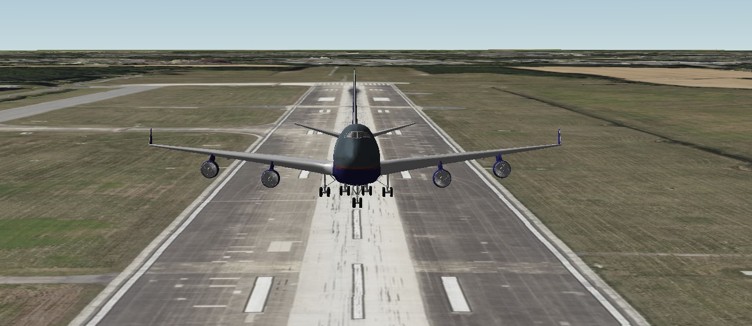
STK Aviator allows users to simulate realistic airport procedures and constraints:
This is especially useful for replicating commercial routes or validating airport operations in civil aviation scenarios.
Essential for ISR missions, surveillance aircraft, and UAV payload validation, this enables users to not only simulate the aircraft's flight path but also its visual perception, detection capabilities, and communication with other entities during its mission.
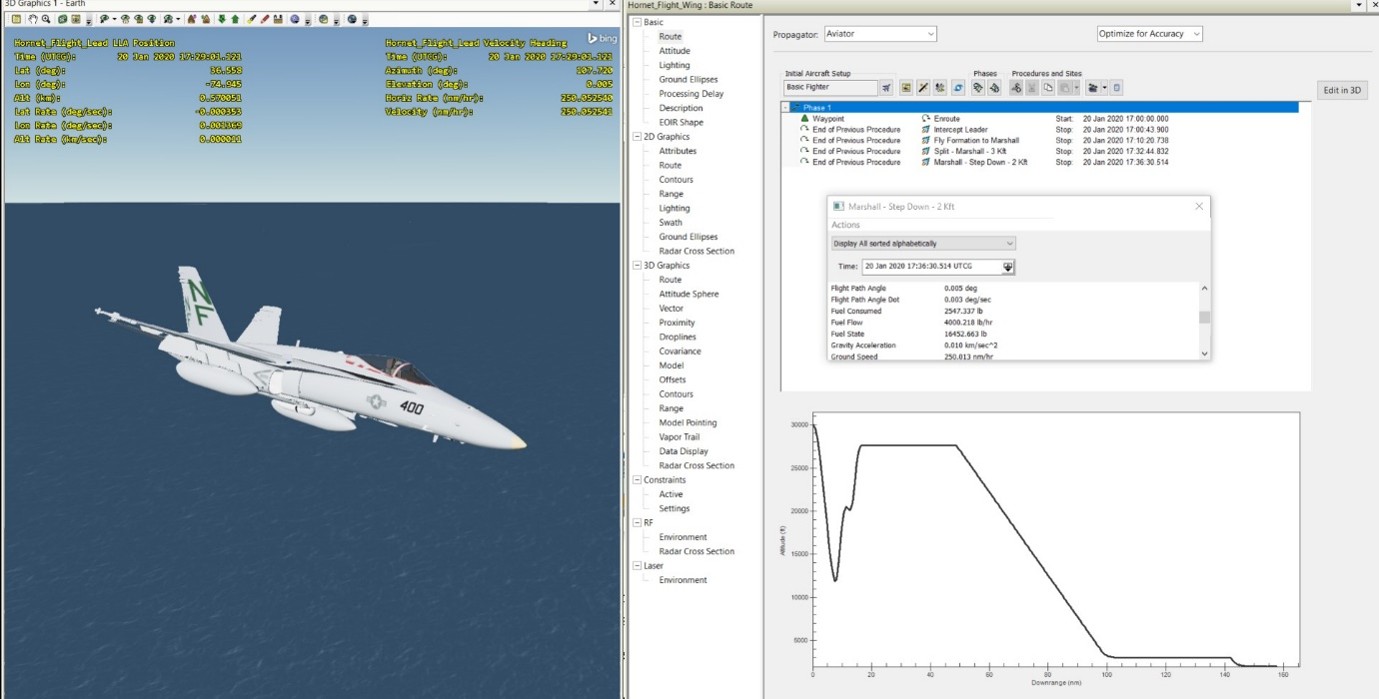
Plan and simulate complex operations involving low-altitude ingress, terrain masking, and multi-aircraft coordination to ensure seamless execution.
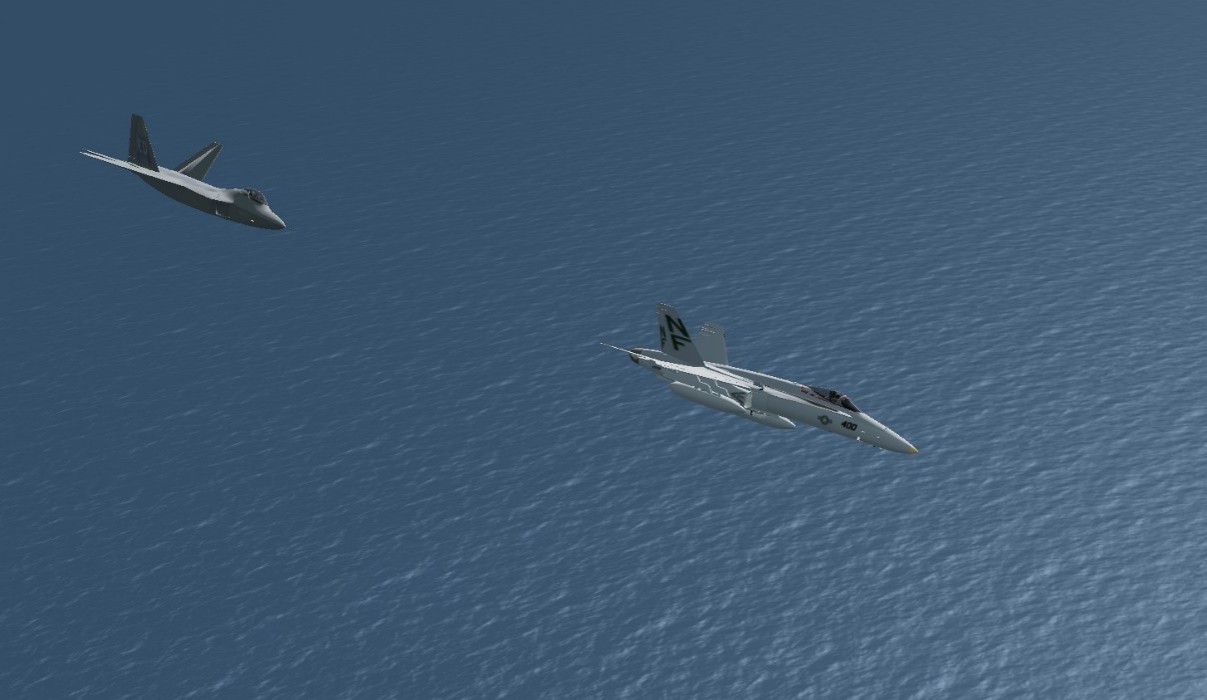
Evaluate flight plans under varying payload, altitude, and weather conditions to minimize cost and maximize safety.
Validate UAV routes for persistent surveillance, accounting for battery life, signal coverage, and terrain clearance.
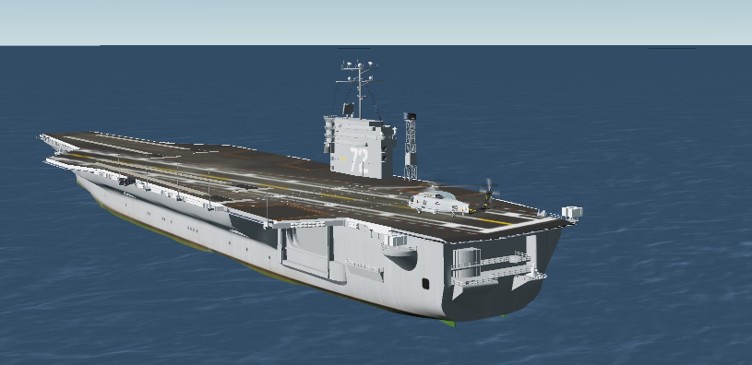
Model aircraft dynamics, aerodynamic testing, and propulsion behaviour under flight conditions for educational and R&D purposes.
Aviator automatically accounts for terrain conflicts, helping simulate nap-of-the-earth flight and safe descent into mountainous regions. Wind and air density factors modify speed and fuel burn for accuracy.
Incorporate weather feeds, satellite data, or air traffic restrictions from external tools or live inputs into the STK simulation.
Engineers can simulate multiple aircraft, routes, or weather scenarios in batch mode and use comparative plots to inform design or planning decisions.
STK's Aviator module transforms aircraft simulation from static planning to dynamic, scenario-based analysis. With robust aircraft modeling, terrain and atmospheric integration, and real-world mission simulation capabilities, Aviator is a go-to tool for professionals across defence, research, and commercial sectors.
Whether you're building UAV flight plans, evaluating new air routes, or simulating a fighter jet's maneuverability, Ansys STK Aviator provides the data and visualization tools to optimize performance and ensure mission success.
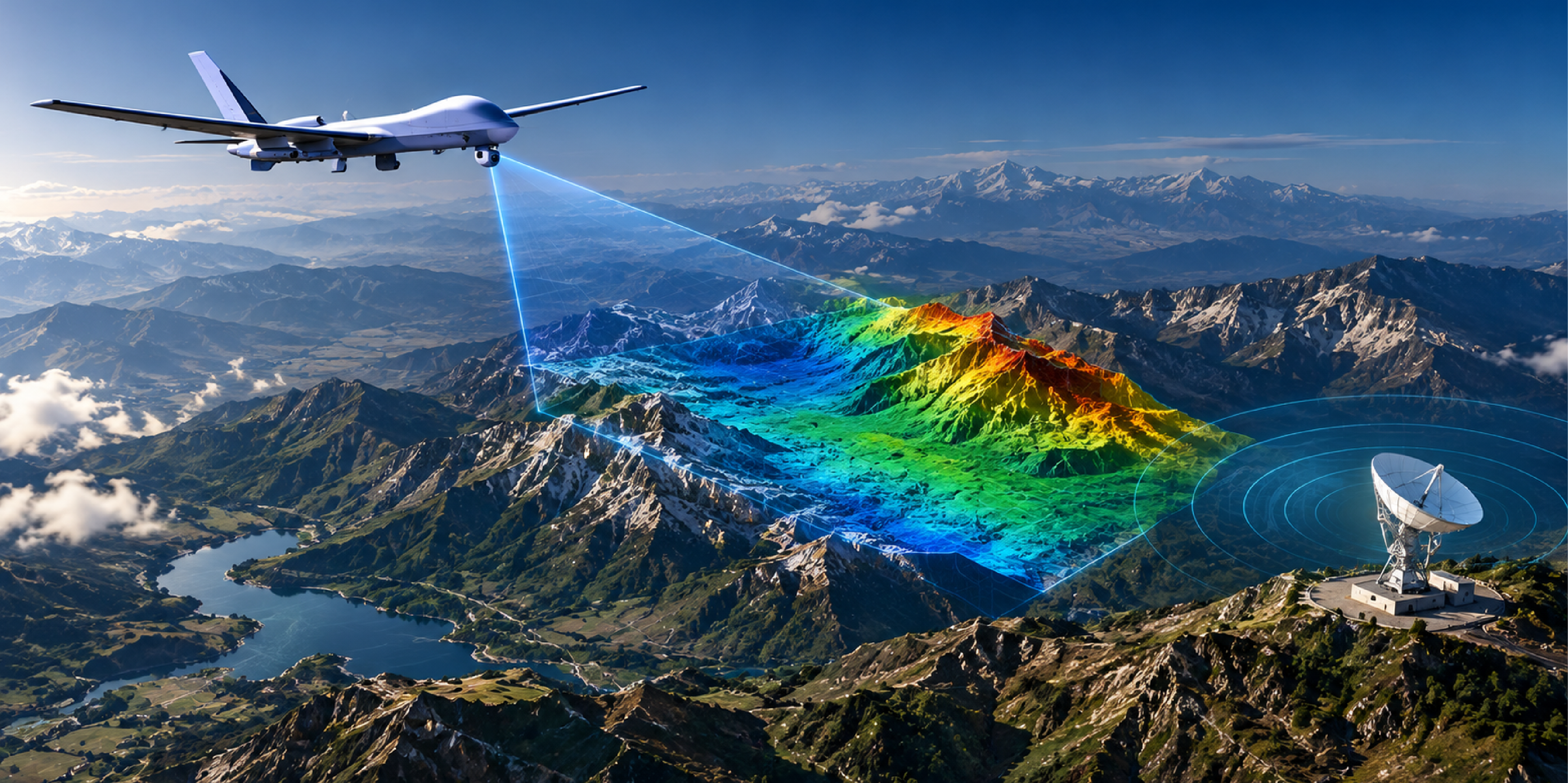 DME
When engineers think about mission analysis, attention naturally goes to the vehicle, trajectory, sensor, communications system, or target.
Read Article →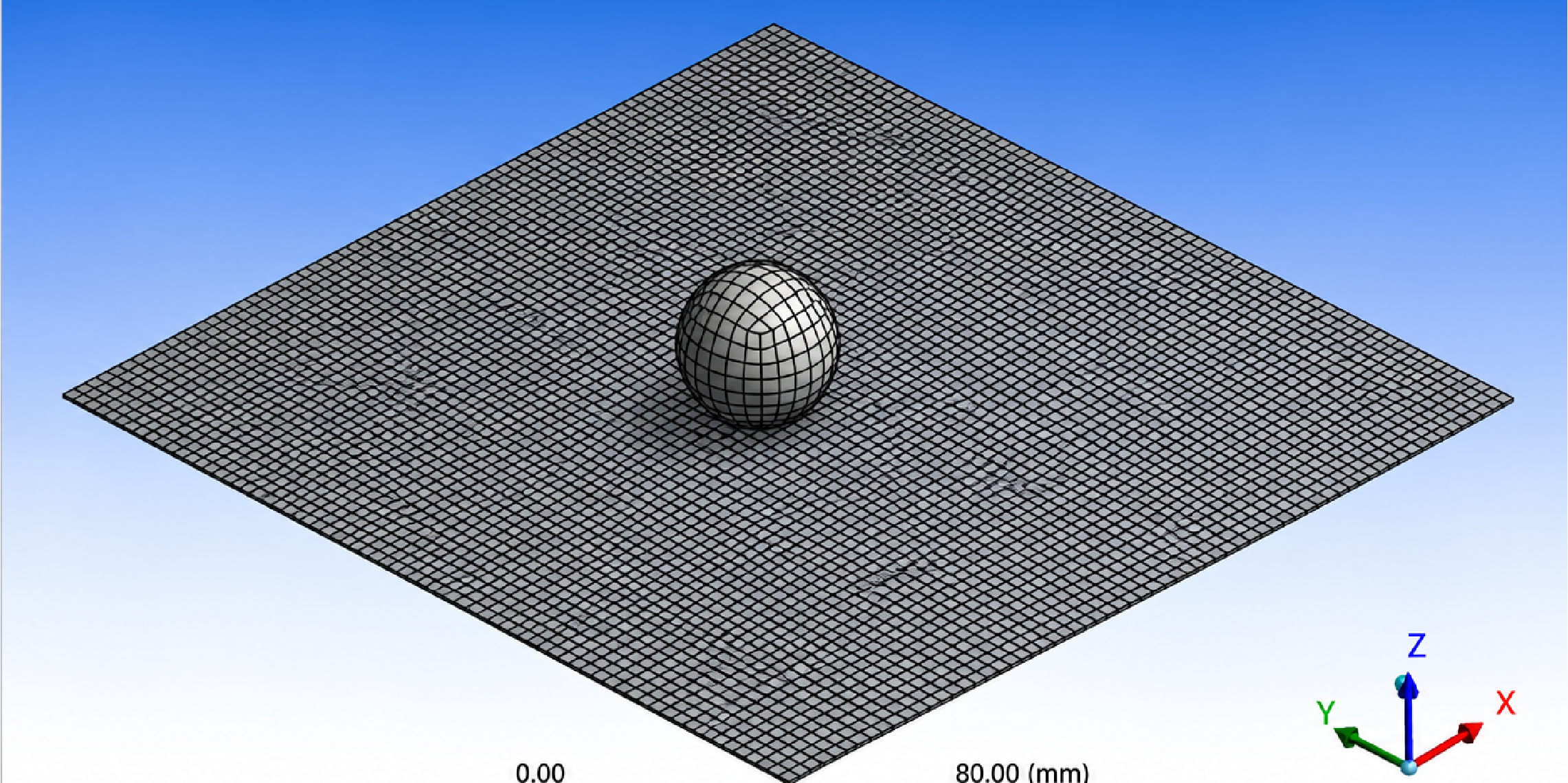 Structures
Laminated composite materials such as fiber reinforced polymers (FRPs) offer exceptional strength-to-weight ratios, making them essential in aerospace, defense, and automotive engineering.
Read Article →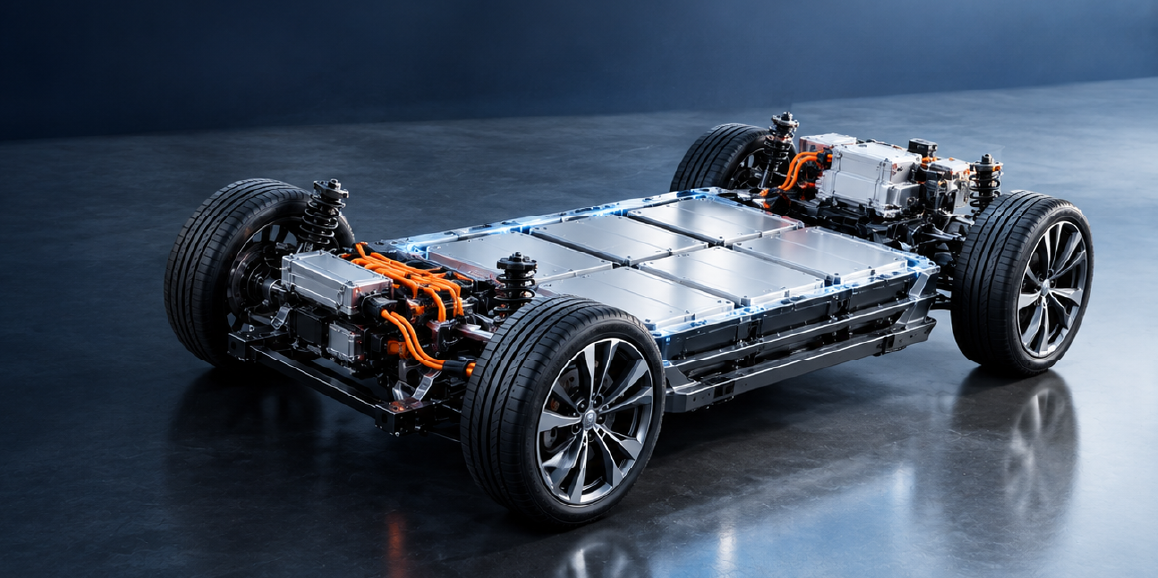 Multi Physics
Read the CADFEM guide to smart BMS functions, automotive thermal management, centralized vs. modular architectures, and Ansys simulation
Read Article →Connect with CADFEM experts for advanced simulation, automation, and engineering solutions tailored to your industry.