What Is a Battery Management System? Guide for Automotive Applications
Read the CADFEM guide to smart BMS functions, automotive thermal management, centralized vs. modular architectures, and Ansys simulation
Read Article →
Imagine piloting a helicopter at night or in poor weather, struggling to see both the sky and control panels to chart a safe course. Safety is undeniably a top priority in aviation, and optical system design plays a crucial role in ensuring it.
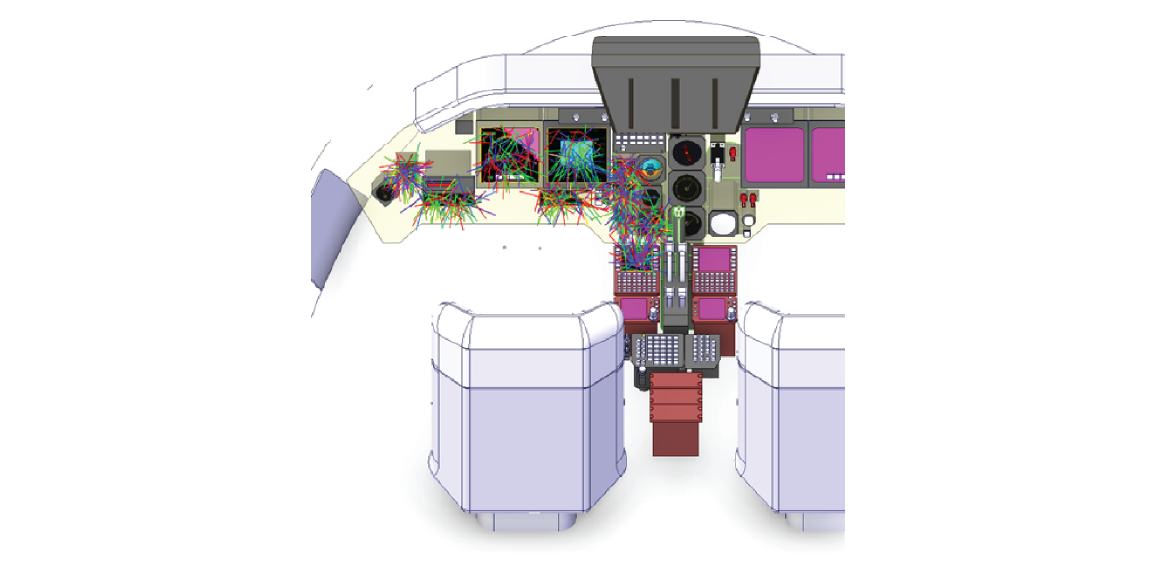
Even pedestrians are familiar with how distracting glare from the sun, headlights of oncoming vehicles, or reflections from wet surfaces can be. For drivers, these optical distortions become even more challenging as they navigate the road safely. Beyond external lighting conditions, interior lighting can also be a concern if critical information on a vehicle’s indicator panels is not clearly visible.
Now, imagine facing similar difficulties while piloting a helicopter at night or in poor weather, struggling to see both the sky and control panels to chart a safe course. Such a situation would pose serious risks for the pilot, crew, and passengers.
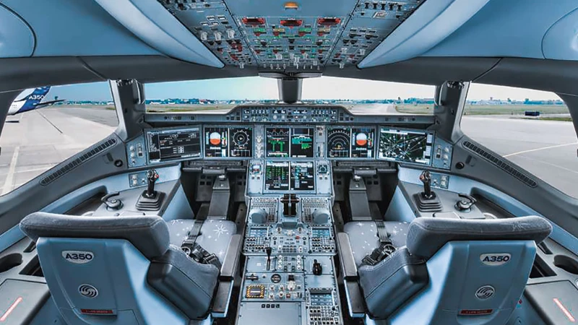
Safety is undeniably a top priority in aviation, and optical system design plays a crucial role in ensuring it. Additionally, with growing global concerns about climate change, sustainability has become increasingly important. Regulatory bodies like the Federal Aviation Administration (FAA) and the European Union Aviation Safety Agency (EASA) mandate that manufacturers develop safe and energy-efficient products. This increased emphasis on safety and efficiency has driven many manufacturers to seek innovative solutions to enhance design and streamline the certification process.
Ansys SPEOS provides an advanced platform for optimizing cockpit lighting by simulating real-world lighting conditions, ensuring optimal visibility, and minimizing glare. It helps engineers assess illumination uniformity, contrast, and readability of displays in various environments. By optimizing light distribution and reducing visual discomfort, SPEOS enhances pilot safety, comfort, and regulatory compliance.
Unlike traditional trial-and-error methods that require physical prototypes, Ansys SPEOS enables engineers to digitally test and refine cockpit lighting designs early in the development process. This significantly reduces costs, accelerates time-to-market, and improves overall system performance.
Cockpit lighting must be designed for optimal visibility while minimizing distractions. However, unlike standard vehicle lighting, cockpit lighting must ensure readability of instruments and displays in highly dynamic conditions—ranging from bright daylight to low-visibility nighttime flying. Poor lighting design can lead to visual fatigue, misinterpretation of flight data, and ultimately, compromised pilot efficiency and safety.
The critical questions that arise when designing the cockpit lighting include:
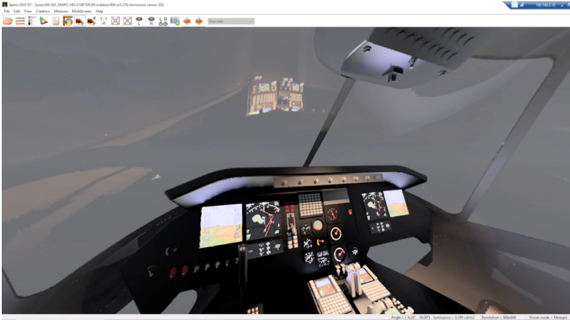
Ansys SPEOS is a powerful tool for human vision analysis (visualization and glare studies) and straylight analysis (reflection studies). It allows engineers to accurately simulate cockpit lighting conditions, test for visual clarity, and optimize illumination to meet safety standards. These steps include:
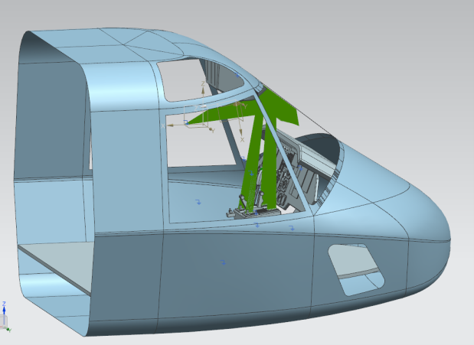
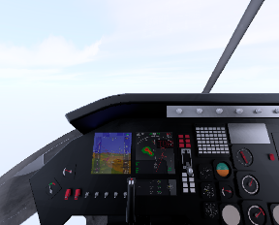
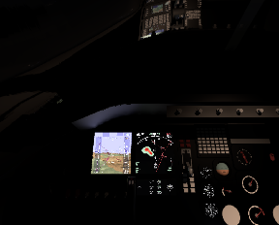
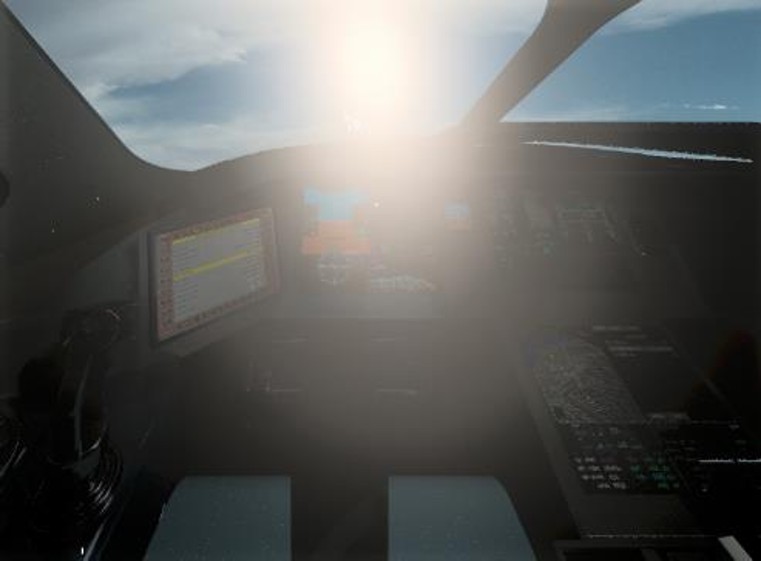
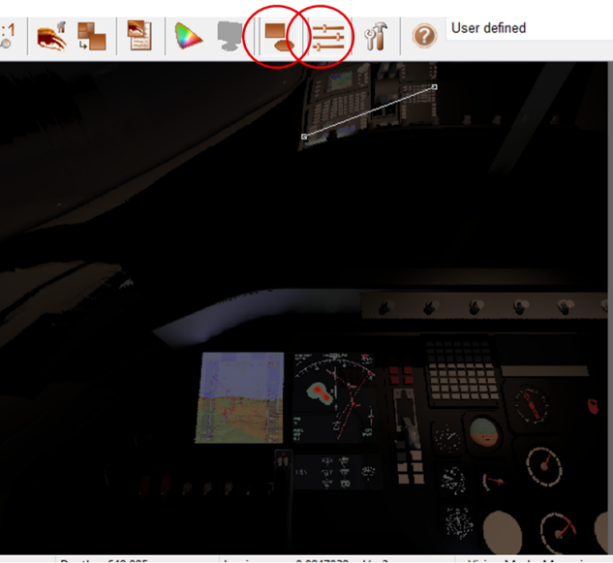
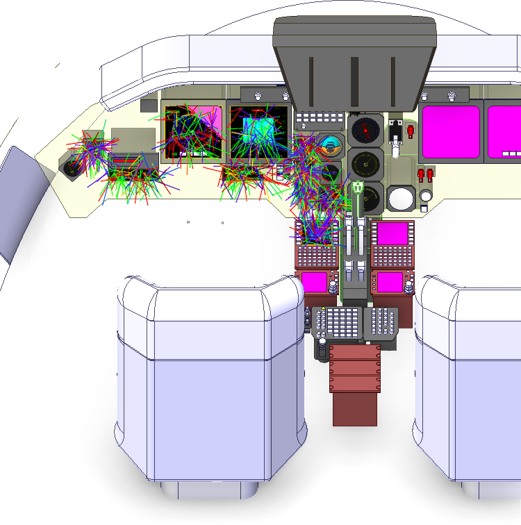
By using Ansys SPEOS, manufacturers gain several advantages in cockpit lighting design:
With the ability to simulate real-world lighting conditions, engineers can ensure compliance with aviation safety standards. SPEOS helps identify and mitigate risks associated with glare, reflections, and inadequate illumination.
Optimized cockpit lighting reduces eye strain, improves focus, and enhances the pilot’s ability to interpret critical flight data, leading to more efficient decision-making.
Traditional cockpit lighting design relies on multiple physical prototypes, which are costly and time-consuming. SPEOS enables virtual testing, eliminating the need for extensive prototyping and accelerating time-to-market.
As aviation moves towards sustainability, reducing energy consumption is critical. Ansys SPEOS helps optimize light distribution, ensuring minimal power usage without compromising visibility.
By integrating cockpit lighting simulations with broader aircraft system models, manufacturers can ensure seamless interaction between lighting, instrumentation, and overall cockpit ergonomics.
Ansys SPEOS provides a powerful solution for analysing and optimizing cockpit interior lighting, ensuring optimal visibility, safety, and compliance with aviation standards. By simulating real-world lighting conditions, SPEOS enables engineers to assess illumination uniformity, glare reduction, and display readability under various scenarios. It helps refine light distribution to enhance pilot comfort while preventing visual strain.
Additionally, its advanced simulations accelerate the design process, reducing the need for physical prototypes and streamlining certification. With Ansys SPEOS, manufacturers can create cockpit lighting systems that improve pilot efficiency, enhance situational awareness, and contribute to a safer and more sustainable aviation industry.
 Multi Physics
Read the CADFEM guide to smart BMS functions, automotive thermal management, centralized vs. modular architectures, and Ansys simulation
Read Article → Structures
Di tengah pesatnya perkembangan teknologi rekayasa, adopsi CAE di Indonesia menjadi kunci utama dalam meningkatkan efisiensi dan produktivitas berbagai sektor industri.
Read Article → Electronics
Learn how to use Ansys HFSS SBR+ for 77 GHz automotive radar simulation, evaluating radome effects, antenna performance, radiation patterns, and installation.
Read Article →Connect with CADFEM experts for advanced simulation, automation, and engineering solutions tailored to your industry.